
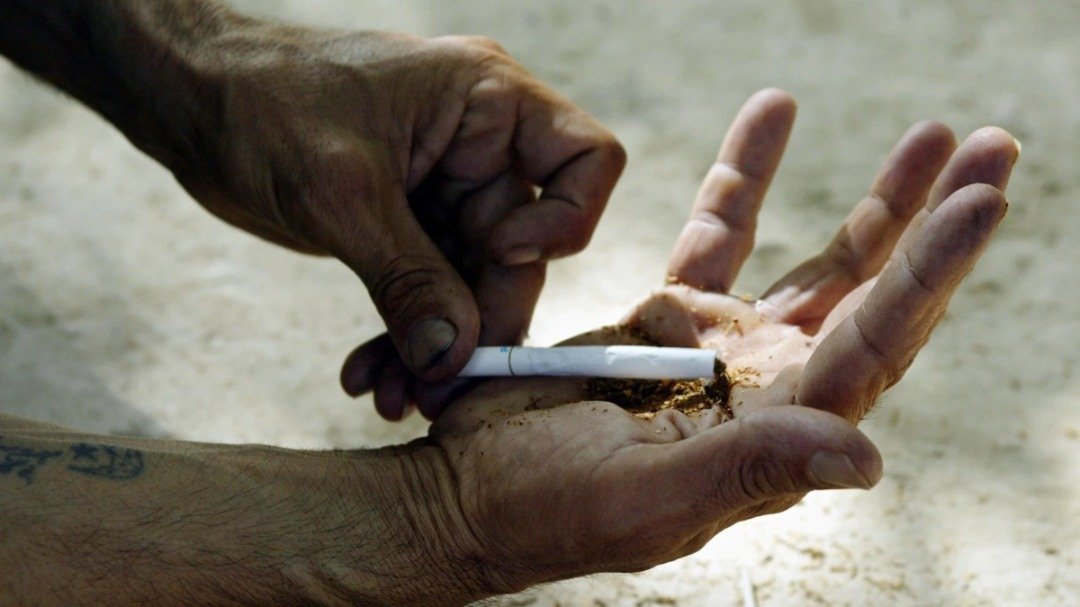
A recent United Nations Office on Drugs and Crime (UNODC) report finds that while the use of synthetic drugs and the misuse of pharmaceutical drugs is increasing, traditional drugs remain the most commonly consumed in Afghanistan. According to the survey, cannabis was reported by 46 % of male respondents as the most frequently used substance in their communities, followed by opium at 19 %, “Tablet K” at 11 %, and methamphetamine at 7 %.
The report, funded by the UN Development Programme (UNDP) and part of the National Survey on Drug Use in Afghanistan, highlights links between drug use and socio‑economic challenges such as poverty, unemployment, and financial hardship. It also points to gaps in treatment and harm‑reduction services, noting that men have greater access to services than women.
UNODC stresses the need for comprehensive approaches that integrate substance abuse treatment, primary health care, mental health support, and social protection to address both drug use and its underlying causes.